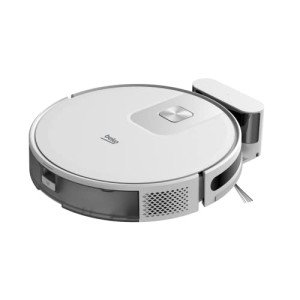
The Rise of Robotic Hoovers: Revolutionizing Household Cleaning
As innovation continues to advance at an extraordinary pace, family cleaning solutions have significantly progressed for many years. Among these innovations, robotic hoovers have actually become a game-changing product, gaining popularity in homes worldwide. These autonomous gadgets provide a new approach to cleaning, integrating clever innovation that not just boosts effectiveness but likewise transforms the total cleaning experience. This post explores the operations, benefits, disadvantages, and future of robotic hoovers, alongside regularly asked concerns to supply readers with extensive insights.
Understanding Robotic Hoovers
A robotic hoover is an automatic vacuum designed to browse spaces with very little human intervention. Equipped with sensors, video cameras, and wise technology, these devices can assess their environment, spot challenges, and clean floorings effectively. Their compact size enables them to reach tight areas that traditional vacuums might have a hard time to access.
Secret Features of Robotic Hoovers
Most robotic hoovers come packed with features focused on enhancing cleaning performance and ease of use, consisting of:
- Smart Navigation: Many models come with mapping technology that allows them to develop a layout of your home, providing efficient cleaning routes.
- Set up Cleaning: Users can set specific cleaning times, allowing the robot to operate when it's most convenient, such as while house owners are at work or asleep.
- Challenge Detection: Advanced sensors help the gadget avoid furnishings and stairs, guaranteeing safe navigation throughout the home.
- Automatic Docking: Once the cleaning cycle is total or the battery is low, numerous robotic hoovers instantly return to their charging stations.
- Differed Cleaning Modes: Users can pick from numerous cleaning modes tailored to various surface area types or levels of dirtiness, such as spot cleaning or edge cleaning.
Advantages of Robotic Hoovers
Robotic hoovers have actually redefined the method people approach home tasks, delivering numerous advantages, including:
- Time-Saving: Automation implies house owners can spend less time vacuuming and more time on other activities.
- Consistent Cleaning: When scheduled, robotic hoovers make sure routine maintenance of floors, avoiding dirt accumulation and extending the life-span of carpets and hardwood.
- Effectiveness: Many robotic models feature suction power comparable to traditional vacuums, supplying reliable cleaning without the requirement for manual operation.
- Convenience: With their little size and capability to move under furnishings, robotic hoovers can access hard-to-reach locations traditional vacuums may miss.
- Smart Home Integration: Many robotic hoovers can incorporate with wise home systems and can be controlled remotely through smart devices or voice commands.
Disadvantages of Robotic Hoovers
In spite of their advantages, robotic hoovers likewise present specific constraints that need to be considered before purchase:
- Limited Suction Power: While evolving technologies have actually enhanced their efficacy, some robotic vacuums might not match the cleaning performance of high-end conventional vacuums, especially on carpets.
- Battery Life: The battery life of robotic hoovers can vary, with some models requiring regular recharging, which might disrupt cleaning sessions.
- Navigation Challenges: In complicated environments with lots of barriers, some robotic hoovers might struggle to navigate successfully, causing incomplete cleaning.
- Maintenance Needs: These devices need regular maintenance, consisting of emptying dirt bins and cleaning brushes, to ensure optimal efficiency.
Table: Features Comparison of Popular Robotic Hoovers
| Model | Navigation Type | Battery Life | Suction Power | Smart Home Integration | Cost Range |
|---|---|---|---|---|---|
| iRobot Roomba i7+ | Smart Mapping | 75 minutes | 1700 Pa | Yes | ₤ 800-₤ 900 |
| Neato D7 Connected | Lidar Navigation | 120 minutes | 2000 Pa | Yes | ₤ 600-₤ 700 |
| Ecovacs Deebot Ozmo T8 | Smart Mapping with Lidar | 110 minutes | 1500 Pa | Yes | ₤ 400-₤ 600 |
| Roborock S6 | Smart Mapping | 150 minutes | 2000 Pa | Yes | ₤ 400-₤ 600 |
Future Trends in Robotic Hoovers
The future of robotic hoovers is appealing, with several patterns likely to improve the market:
- Improved AI and Machine Learning: Future models will make use of innovative algorithms to enhance navigation, enabling them to discover and adapt to brand-new designs in time.
- Boosted Cleaning Capabilities: Future designs may include features such as mopping capabilities, making them more flexible in preserving floor cleanliness.
- Integration with Other Smart Devices: As homes end up being increasingly connected, robotic hoovers will likely integrate with other clever home devices for more coordinated cleaning and maintenance schedules.
- Sustainability Focus: Eco-friendly styles with energy-efficient systems and recyclable products are expected to acquire traction as customers focus on eco-friendly items.
Often Asked Questions (FAQs)
1. How often must I run my robotic hoover?It's advised to run your robotic hoover day-to-day or every other day for optimum upkeep. This frequency assists avoid dust and dirt buildup. 2. Can robotic hoovers clean carpets effectively?Many modern robotic hoovers are developed to clean low to medium pile carpets efficiently.
Nevertheless, for high-pile carpets, a standard vacuum may be more efficient. 3. Do I require to assist my robotic hoover while it cleans?Not always. A lot of robotic hoovers can run autonomously, but it is recommended to eliminate any big barriers or mess before the cleaning session. 4. Are robotic hoovers ideal for animal owners?Yes, robot vacuum and mop of robotic hoovers are designed with family pet owners in mind, including powerful suction and specialized brushes to get pet hair and dander efficiently. 5. How do I maintain my robotic hoover?Regular upkeep includes clearing
the dustbin, cleaning the brushes and sensing units, and looking for any twisted hair or particles that could prevent efficiency. Robotic hoovers mark a significant advance in household cleaning innovation. By understanding their features, advantages, and limitations, consumers can make informed decisions when selecting the right design for their homes. With constant advancements in innovation, the future of robotic hoovers looks
bright, supplying property owners an efficient, trusted, and ingenious service for maintaining tidiness in their living areas. As these gadgets develop, they are set to end up being an important part of modern-day home management, helping to release up time and simplify everyday chores.